
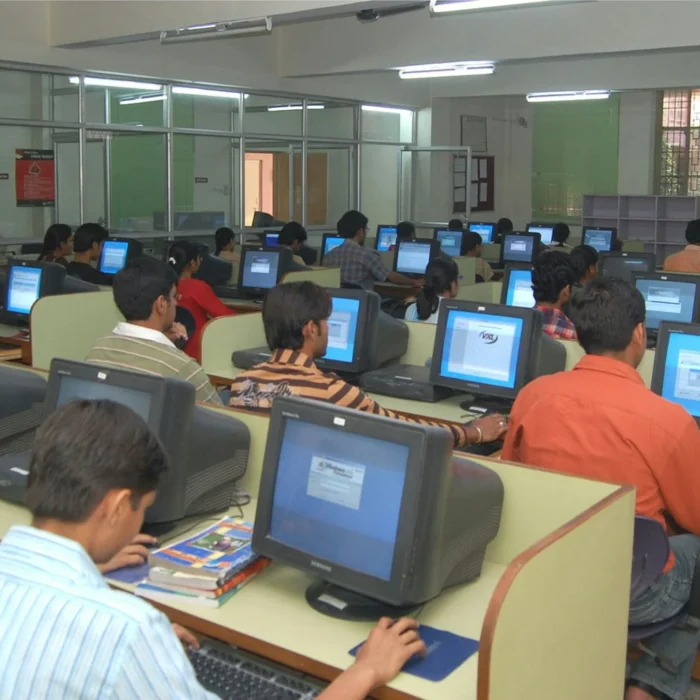
Imagine stepping into a job interview in 2025 with just a high school diploma and no technical skills. Now, imagine another candidate, same age, but fluent in Python, has designed multiple websites, understands AI fundamentals, and can edit videos like a pro.
Who do you think gets hired?
In today’s digital-first world, technical education isn’t just a nice-to-have—it’s a must. From automation to artificial intelligence, the way we work, learn, and live is changing rapidly. Technical education has become the bridge that connects traditional knowledge with future-ready skills.
The Digital Landscape of 2025
By 2025, over 50% of all jobs worldwide are expected to require some level of digital skills, according to the World Economic Forum. Whether you’re in healthcare, finance, education, design, or manufacturing, the common denominator is technology. And the demand for skilled professionals in technical domains is growing exponentially.
Let’s take a closer look at some foundational tech skills that are shaping industries today and why gaining proficiency in them is crucial:
1. Computer Literacy: The Modern-Day Literacy
Gone are the days when knowing how to use Microsoft Word was enough. In 2025, computer literacy includes:
- Understanding cloud storage
- Using collaborative platforms like Google Workspace or Microsoft Teams
- Managing data through spreadsheets and databases
- Knowing basic troubleshooting and cybersecurity principles
According to Pew Research, 77% of workers say that computer proficiency is “very important” in their current roles, and that number is only growing.
Why it matters: Every field—from marketing to medicine—relies on computers. With strong computer literacy, you increase your efficiency, improve your problem-solving skills, and make yourself indispensable in any workplace.
2. Artificial Intelligence (AI): Not Just for Techies
AI is no longer confined to Silicon Valley. It’s in your smartphone, your Netflix recommendations, your bank’s fraud detection system—even your car.
Skills in AI can include:
- Basic machine learning principles
- Data analysis using tools like Python or R
- Understanding how algorithms work
- Ethics and implications of automation
According to a 2024 LinkedIn report, AI-related skills were among the top 5 most in-demand globally, with job titles such as “AI Analyst,” “Data Engineer,” and “Machine Learning Developer” seeing double-digit annual growth.
Why it matters: Knowing how AI works not only gives you a competitive edge in tech but also prepares you to understand and adapt to the changes it brings across industries.
3. Graphic Designing: The Language of Digital Expression
Graphic design is everywhere—from websites and apps to branding and advertising. With social media and digital marketing becoming core components of business, skilled graphic designers are in high demand.
Core tools to learn:
- Adobe Creative Suite (Photoshop, Illustrator, InDesign)
- Canva for quick content creation
- UI/UX basics for web and app design
- Video editing tools like Adobe Premiere or Final Cut Pro
In 2025, with attention spans shrinking and visual content dominating the web, strong design skills make your communication more impactful. In fact, posts with visual content get 650% more engagement than text-only ones.
Why it matters: Design thinking enhances creativity and critical thinking—skills that are valuable in any profession, not just creative industries.
The Benefits of Technical Education in 2025
Still wondering whether investing time in learning technical skills is worth it? Here’s what you stand to gain:
✔ Higher Employability
A study by Burning Glass Technologies revealed that jobs requiring digital skills pay on average 29% more than those that don’t. With technical education, you’re not just more likely to get hired—you’re more likely to earn better.
✔ Entrepreneurship Opportunities
Want to start a business? Technical skills mean you can build your own website, run your own marketing, design your own branding, and even analyze customer behavior—all without hiring a team right away.
✔ Remote Work & Global Opportunities
Technical roles are often remote-friendly. Web developers, graphic designers, AI consultants, and IT support specialists can work from anywhere. The world becomes your workplace.
✔ Problem Solving & Critical Thinking
Learning to code or design teaches logic and structure. It improves how you approach problems in general—not just technical ones.
✔ Continuous Learning & Adaptability
Technology evolves quickly. A person with technical education is more likely to adapt to change, learn new tools, and stay relevant in the face of automation and disruption.
Final Thoughts: The Future Belongs to the Technically Educated
In 2025, being tech-savvy isn’t just about coding or design—it’s about being empowered. Whether you’re 15 or 50, learning technical skills is an investment in your future. It opens doors, expands your thinking, and gives you control over your career trajectory.
The digital world isn’t waiting for anyone—and the best time to start mastering it is now.
